
Table of Contents
ToggleIntroduction
Traditional dress male outfits are not just clothes—they are cultural storytellers. Every stitch, fabric, and pattern reflects centuries of tradition, values, and artistry passed down through generations. From the bold tartans of Scotland to the flowing thobes of the Middle East, each outfit is a living symbol of heritage and pride.
In today’s fashion-driven world, these garments continue to inspire modern style while remaining deeply rooted in history. Let’s take a journey across the globe to discover how traditional male attire defines culture and why it still matters today.
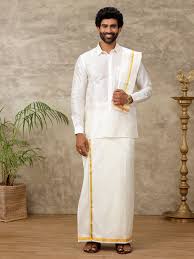
Why Traditional Dress Male Outfits Matter
Unlike modern fast fashion, traditional attire is rich in symbolism and identity. For men, these garments are often tied to:
- Rituals and ceremonies such as weddings or religious festivals.
- Cultural belonging, showcasing tribe, clan, or region.
- Craftsmanship, highlighting fabrics, embroidery, and weaving techniques.
In short, a traditional dress male outfit is more than attire—it’s a cultural passport connecting generations.
Iconic Traditional Dress Male Outfits Around the World
1. Kurta Pajama – South Asia’s Everyday Elegance
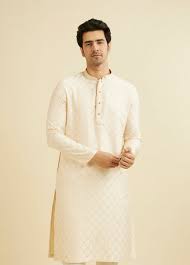
In India, Pakistan, and Bangladesh, the kurta pajama is a staple.
- The kurta, a knee-length tunic, pairs with loose or slim-fit pajama trousers.
- Lightweight cotton versions are perfect for daily wear, while silk or embroidered styles shine at weddings.
Its comfort, versatility, and timeless charm make it one of the most enduring traditional outfits for men.
2. Sherwani – The Royal Choice
Reserved for celebrations, the sherwani embodies grace and grandeur.
- Typically crafted from velvet or silk.
- Adorned with zari embroidery, sequins, or beads.
Worn with churidar pants or dhotis, the sherwani has become the ultimate traditional dress male outfit for South Asian grooms.
3. Kimono – Japan’s Timeless Icon
The kimono is Japan’s most recognizable attire. While women’s versions are elaborate, men’s kimonos are understated, usually in darker hues.
- Wide sleeves and the obi sash define its structure.
- Symbolizes modesty, simplicity, and harmony.
Even today, kimonos appear at tea ceremonies, festivals, and weddings, reflecting Japan’s respect for tradition.
4. Dashiki – Africa’s Bold Expression
The dashiki is a vibrant, patterned tunic originating from West Africa.
- Celebrated for its colorful prints and loose comfort.
- Represents freedom, unity, and African heritage.
Modern designers have embraced the dashiki, making it a global fashion statement beyond cultural events.
5. Kilt – Scotland’s Pride
The Scottish kilt, crafted from tartan wool, is one of the world’s most iconic traditional dress male pieces.
- Each tartan pattern links to a family clan.
- Paired with accessories like the sporran and hose.
Kilts remain symbols of Scottish identity, worn at national events, weddings, and Highland games.
6. Thobe / Dishdasha – Middle Eastern Simplicity
The thobe, also called dishdasha, is a long robe commonly worn in the Middle East.
- Usually white in summer for breathability.
- Darker shades in cooler seasons.
Its modest design reflects both practicality in desert climates and adherence to cultural values.
7. Hanbok – Korea’s Elegant Heritage
Korea’s hanbok is admired for its flowing lines and bold colors.
- Men wear the jeogori (short jacket) with wide trousers (baji).
- Symbolizes grace, dignity, and Korean heritage.
Hanbok still shines during traditional holidays like Chuseok and Seollal.
8. Barong Tagalog – The Pride of the Philippines
The barong Tagalog is the Philippines’ national attire for men.
- Lightweight, semi-transparent, and richly embroidered.
- Traditionally made from piña (pineapple fiber).
It’s worn untucked, symbolizing equality, and is the go-to formal wear for weddings and state occasions
The Modern Role of Traditional Male Attire
In today’s fashion world, traditional dress male outfits are not limited to cultural festivals. They have adapted to:
- Fusion fashion – pairing kurtas with jeans or kilts with modern jackets.
- Luxury collaborations – global designers incorporating ethnic fabrics.
- Everyday wear – lightweight, simplified versions for casual use.
This blend of old and new keeps tradition alive while making it relevant to younger generations.
Conclusion
From the regal sherwani to the humble kurta, from the Scottish kilt to the African dashiki, traditional dress male outfits tell stories of culture, pride, and history. They are timeless garments that preserve heritage while inspiring modern fashion.
As trends change and styles evolve, one thing is certain: traditional attire will always hold its place as a symbol of identity and cultural pride for men worldwide.