
The Jordan 1 is more than just a basketball shoe—it’s a cultural icon that has shaped sneaker history and streetwear fashion for nearly four decades. Released in 1985, the Air Jordan 1 marked the beginning of the legendary collaboration between Michael Jordan and Nike, changing the sneaker industry forever. Whether you’re a collector, a sneakerhead, or simply curious about its history, understanding the Jordan 1’s journey offers insight into why this shoe remains one of the most coveted sneakers of all time.
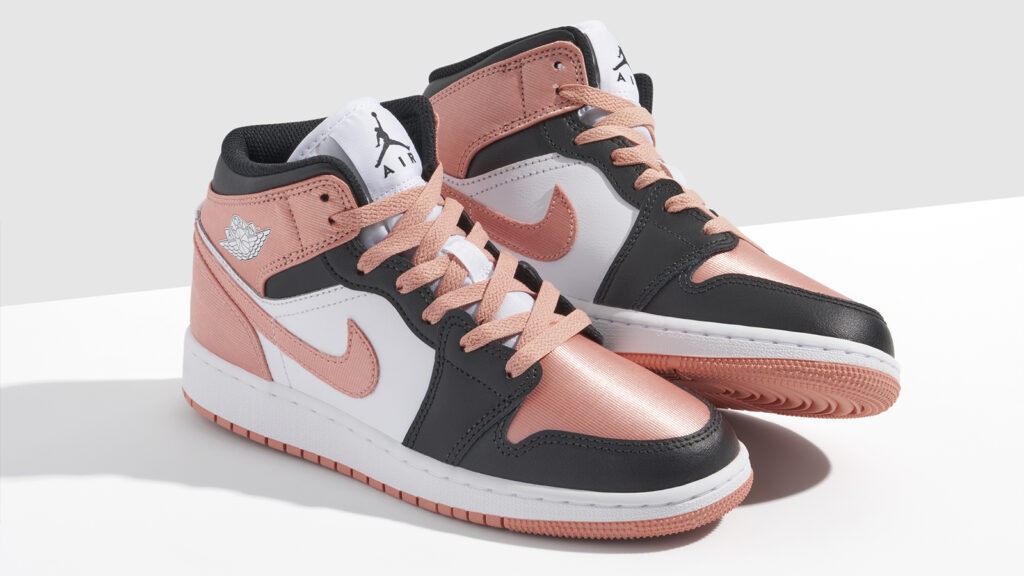
Table of Contents
ToggleThe Birth of the Jordan 1
The story of the Jordan 1 began when Nike signed a young Michael Jordan to an endorsement deal in 1984. Initially, Jordan considered brands like Adidas and Converse, but Nike offered him something revolutionary: his own signature shoe line. Together with designer Peter Moore, they created a sneaker that combined performance features for basketball with an unmistakable style.
The Air Jordan 1 borrowed elements from existing Nike models such as the Air Force 1 and Dunk but introduced something entirely new—the Wings logo. This logo, placed on the upper ankle, became a symbol of Jordan’s brand and a cornerstone of sneaker culture.
The Controversy That Sparked a Legend
The Controversy That Sparked a Legend
One of the most famous stories in sneaker history involves the so-called “banned” Jordan 1. In October 1984, Jordan wore black and red Nike Air Ships that violated the NBA’s uniform policy. Although the NBA fined him $5,000 per game, Nike cleverly used the controversy to market the upcoming Air Jordan 1 “Bred” colorway. This marketing tactic made the Jordan 1 an instant icon before it even officially debuted on November 17, 1984.
The Jordan 1 Hits the Market
The Jordan 1 Hits the Market
Upon release, the Jordan 1 wasn’t just a basketball shoe—it was a statement. Its bold colors, sleek design, and cultural edge resonated with athletes, musicians, and streetwear enthusiasts. The “Chicago” colorway, inspired by the Bulls’ red, white, and black team colors, became a must-have, while other original colorways like “Black Toe” and “Royal” further cemented its legendary status.
Nike anticipated moderate sales, expecting to sell 100,000 pairs by the end of 1985. Instead, the Jordan 1 sold over 450,000 pairs in the first month, proving the sneaker’s mass appeal and marking the start of a multi-billion-dollar brand.
The Jordan 1 and the Rise of Sneaker Culture
The Jordan 1 and the Rise of Sneaker Culture
The Jordan 1 and the Rise of Sneaker Culture
By the late 1980s, the Jordan 1 was more than a basketball shoe—it had become a symbol of streetwear culture. Skaters, musicians, and fashion enthusiasts embraced the sneaker for its style, versatility, and performance. The Jordan 1 helped define a new era where sneakers were not just sports gear but also fashion statements.
As the Jordan line expanded, later models like the Jordan 3, 4, and 5 kept growing the brand’s popularity. Yet, the Jordan 1 remained the cornerstone—a timeless classic that connected Michael Jordan’s legacy with everyday culture.
Iconic Collaborations and Modern Influence
Iconic Collaborations and Modern Influence
Iconic Collaborations and Modern Influence
The Jordan 1 continues to evolve through collaborations with designers, artists, and fashion houses. In 2017, Nike and Virgil Abloh’s Off-White released a deconstructed version of the Jordan 1, called “The Ten”, which reimagined the sneaker for modern audiences. In 2018, Travis Scott’s Jordan 1 “Backwards Swoosh Mocha” brought premium fabrics and unique branding to the lineup, captivating sneakerheads worldwide.
Luxury brands also recognized the Jordan 1’s cultural significance. In 2020, Dior released a high-fashion collaborative version, further cementing the sneaker’s status as both a sports and style icon.
Why the Jordan 1 Remains Relevant
Why the Jordan 1 Remains Relevant
Why the Jordan 1 Remains Relevant
Why the Jordan 1 Remains Relevant
Several factors contribute to the enduring popularity of the Jordan 1:
- Timeless Design: Its high-top silhouette, bold colors, and signature logos make it instantly recognizable.
- Versatility: The sneaker is not just for sports—it pairs seamlessly with streetwear, casual, and even luxury outfits.
Exclusivity & Hype: Limited releases, rare colorways, and collaborations keep sneaker enthusiasts eagerly anticipating each drop.
Collecting and Wearing
Collecting and Wearing
Collecting and Wearing
Collecting and Wearing
For collectors, the Jordan 1 is a prized asset. OG colorways like “Bred,” “Chicago,” and “Royal” are highly sought after in the resale market, sometimes fetching thousands of dollars. For casual wearers, the offers a balance of comfort and style, making it a go-to sneaker for everyday outfits.
Whether you are wearing a high-top, mid, or low version, the Jordan 1 remains a statement piece. Its legacy continues to inspire designers and athletes alike, ensuring that every new generation discovers its magic.
Conclusion
Conclusion
Conclusion
Conclusion
Conclusion
The Jordan 1 is more than a shoe—it’s a symbol of innovation, style, and cultural influence. From Michael Jordan’s rookie season to collaborations with Off-White, Travis Scott, and Dior, the sneaker has transcended sports to become a global icon. Whether you’re a sneaker collector, fashion enthusiast, or basketball fan, understanding the Jordan 1’s history allows you to appreciate why it is one of the most iconic sneakers ever made.