
Formal dresses are more than just clothing—they’re a statement of elegance, confidence, and style. Whether attending a wedding occasion, corporate gala, or evening party, selecting the right formal dress can make all the difference in how you feel and how you are perceived. With countless styles, fabrics, and fits available, it can be overwhelming to find the perfect one. This guide will help you navigate the choices, understand your body type, and ensure your dress suits both the occasion and your personal style.
Table of Contents
Toggle1. Understanding the Occasion
The first step in selecting a formal dress is considering the type of event. A corporate gala requires a different style than a black-tie wedding or a cocktail party. For weddings, think about elegant, flowing gowns that complement the celebration’s theme. For corporate events, tailored dresses in solid colors or subtle patterns project professionalism and sophistication. Evening parties allow for a bit more freedom—sequins, lace, or bold colors can make your outfit stand out. Understanding the occasion ensures your dress aligns with the expected dress code while keeping you comfortable.

2. Choosing the Right Fabric
The fabric of a formal dress impacts both comfort and appearance. High-quality materials like silk, satin, chiffon, or velvet add sophistication and elegance. Satin and silk dresses have a luxurious sheen perfect for formal evening events, while chiffon offers a lightweight, flowing look suitable for weddings or summer occasions. Velvet, with its rich texture, works beautifully for winter or holiday parties. Remember, the choice of fabric not only affects style but also comfort, breathability, and how the dress moves as you walk or dance.
3. Flattering Your Body Type
Understanding your body shape is essential when picking a formal dress. Different cuts flatter different figures:
- Hourglass figures: Opt for fitted dresses that accentuate the waist, such as mermaid or sheath styles.
- Pear-shaped bodies: A-line skirts or dresses with structured shoulders balance proportions.
- Apple-shaped figures: Empire waist or dresses with ruching around the midsection help create a flattering silhouette.
- Rectangle shapes: Dresses with belts, ruffles, or layered skirts can create curves and enhance dimension.
By choosing a style that complements your shape, you can enhance your confidence and feel at ease throughout the event.
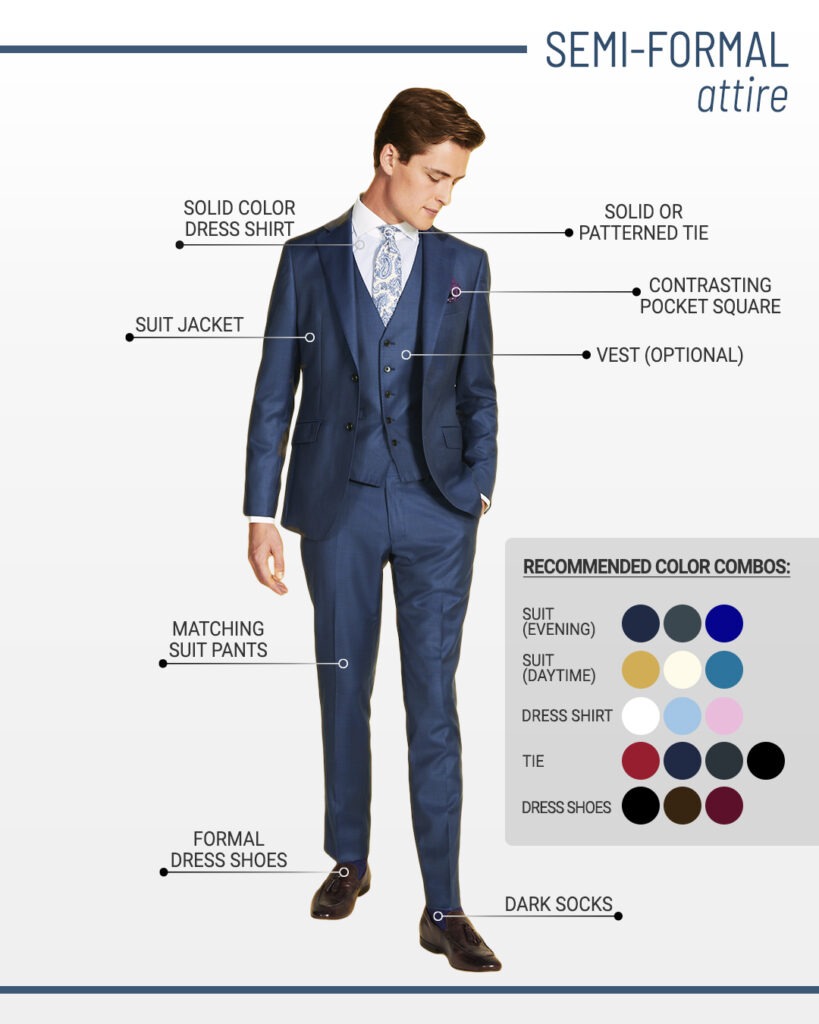
4. Selecting the Right Color
Color plays a pivotal role in choosing a formal dress. Classic shades like black, navy, and deep red are timeless and suitable for almost any formal event. Pastels and soft tones like blush, lavender, or champagne work beautifully for daytime events or weddings. Bold colors, metallics, and jewel tones add drama and make a statement at evening parties. When selecting a color, consider your skin tone, hair color, and the mood you want to convey. Neutral tones offer versatility, while bold colors exude confidence and individuality.

5. Dress Length Matters
The length of a formal dress can change the overall vibe of your outfit. Full-length gowns are ideal for black-tie events, formal galas, or evening ceremonies. Midi dresses offer elegance while maintaining comfort and mobility, perfect for semi-formal occasions. Short or cocktail dresses are suitable for parties, work events, or informal weddings. Always ensure that the length suits the event’s dress code while keeping in mind personal comfort and ease of movement.
6. Accessorizing Your Formal Dress
Accessories can elevate the look of any formal dress. Pairing your outfit with the right jewelry, clutch, and shoes can tie the entire ensemble together. For minimalist dresses, statement necklaces or earrings can add a touch of glamour. For ornate or embellished dresses, opt for subtle jewelry to avoid overloading your look. Footwear should be comfortable yet stylish—heels elongate the legs, while elegant flats or sandals can provide comfort without compromising style. Remember, accessories should complement, not overshadow, your dress.
7. Considering Your Comfort
While appearance is important, comfort should never be sacrificed. Make sure your dress allows freedom of movement, whether sitting, walking, or dancing. Breathable fabrics and the right fit ensure that you remain confident and comfortable throughout the event. Avoid dresses that are too tight, restrictive, or difficult to manage, as they can distract from your overall presence and enjoyment.
8. Timeless vs. Trendy
When selecting a formal dress, balance timelessness with trendiness. Classic silhouettes like A-line, sheath, and mermaid styles remain stylish year after year and are a good investment for multiple events. Trendy elements, like puff sleeves, cutouts, or unique prints, can make your look fresh and modern but may not always have lasting appeal. Consider blending classic designs with subtle trendy touches to maintain versatility and long-term value.
9. Making It Personal
Finally, your formal dress should reflect your personality and style. Whether you prefer minimalistic elegance or bold statement pieces, choose a dress that makes you feel confident and authentic. Personal touches, such as custom tailoring, embroidery, or unique accessories, can make your outfit stand out while remaining true to your individual style.
10. Final Thoughts
Choosing the perfect formal dress doesn’t have to be stressful. By considering the occasion, fabric, body type, color, length, accessories, and comfort, you can find a dress that not only looks amazing but feels right for you. A well-chosen formal dress is more than clothing—it’s a reflection of confidence, elegance, and sophistication. Invest the time to pick the right one, and it will serve as a wardrobe staple for years to come.